Protect Sensitive Electronics. Prevent Static Damage. Deliver Reliable Cushioning.
DUTE provides ESD foam solutions designed to help protect static-sensitive electronic components, precision equipment and industrial products during handling, transportation, storage and assembly.
Protect Sensitive Electronics. Prevent Static Damage. Deliver Reliable Cushioning.
DUTE provides ESD foam solutions designed to help protect static-sensitive electronic components, precision equipment and industrial products during handling, transportation, storage and assembly.
Combining electrostatic discharge protection with lightweight cushioning performance, ESD foam helps reduce the risk of static-related damage while protecting delicate components against impact, vibration and mechanical stress.
Available in different material structures and customizable forms, DUTE ESD foam solutions are suitable for electronics manufacturing, semiconductor packaging, automotive electronics, precision instruments and industrial protective packaging.
ESD foam, also known as electrostatic discharge protective foam, is a specially formulated polymer foam designed to control electrostatic charge and provide cushioning protection for sensitive electronic products.
Unlike ordinary packaging foam, ESD foam incorporates antistatic, static-dissipative or conductive properties, depending on the material formulation and intended application.
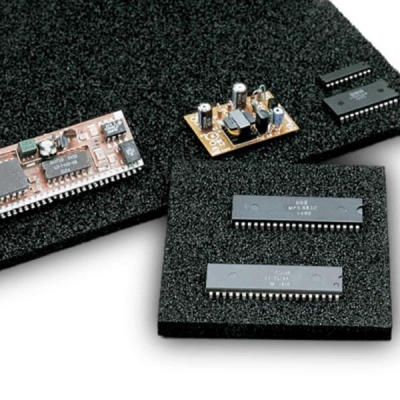
ESD foam is commonly used in the handling, storage and transportation of electronic components where electrostatic discharge could cause damage or affect product reliability.
Anti-Static Foam
Designed to reduce the generation and accumulation of electrostatic charge during handling and movement.
It is commonly used for protective packaging of electronic products and components.
Static-Dissipative Foam
Designed to allow accumulated electrical charges to dissipate in a controlled manner when appropriately grounded.
It is suitable for applications requiring controlled electrostatic discharge.
Conductive Foam
Provides an electrically conductive structure that can facilitate charge transfer when used within a properly designed grounding system.
Conductive foam is frequently used for packaging, storage and handling of static-sensitive electronic components.
The electrical characteristics of each foam type depend on its formulation and should be verified using the relevant product TDS and applicable test methods.
The primary function of ESD foam is to help protect sensitive electronic components against electrostatic-related damage.
Depending on the material formulation, the foam can reduce charge generation, control charge accumulation or provide a path for electrostatic dissipation.
This makes ESD foam an important protective material in electronics manufacturing, assembly, storage and transportation.
In addition to electrostatic protection, ESD foam provides cushioning against mechanical impact and vibration.
Its flexible cellular structure helps reduce the transmission of external forces to sensitive components.
This dual functionality makes ESD foam suitable for packaging applications requiring both physical and electrostatic protection.
ESD foam offers effective protective performance with relatively low material weight.
Its lightweight structure helps minimize packaging weight while maintaining cushioning and component separation.
This is especially valuable for electronic products, precision instruments and industrial components.
Selected ESD foam materials provide good flexibility and recovery after compression.
The material can conform to component shapes and help maintain protective positioning during handling and transportation.
The soft foam structure can help prevent direct contact between delicate components and hard packaging surfaces.
It can also reduce scratching, friction and mechanical damage during transportation and storage.
Different applications require different levels of electrostatic protection.
ESD foam can be developed or selected with antistatic, static-dissipative or conductive characteristics to meet specific packaging and handling requirements.
The appropriate material should be selected according to the sensitivity of the components and the customer's ESD control requirements.
ESD foam can be processed into a variety of protective packaging components.
Typical converting options include:
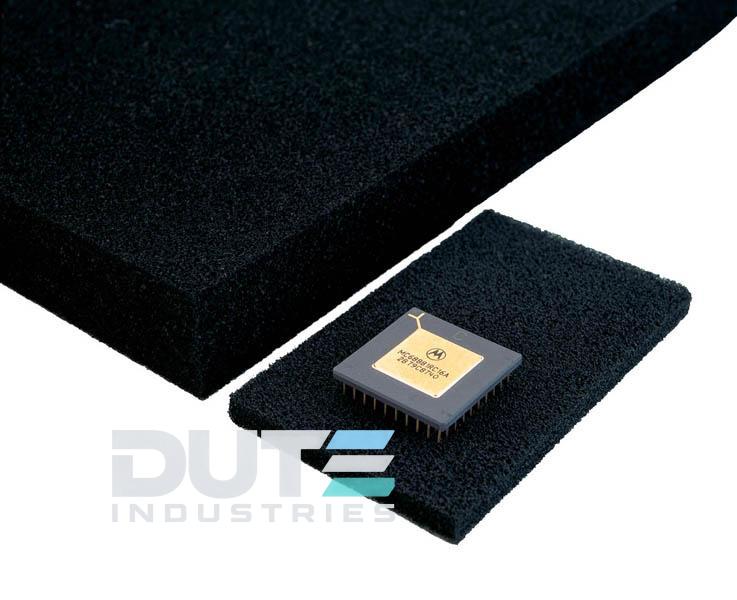
Sheet cutting
Roll slitting
Die cutting
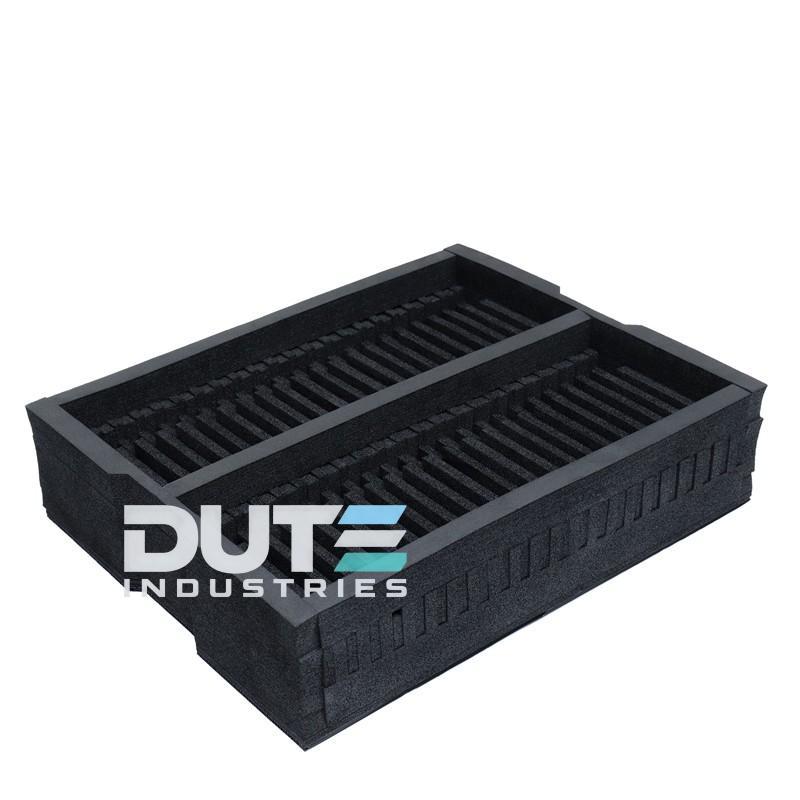
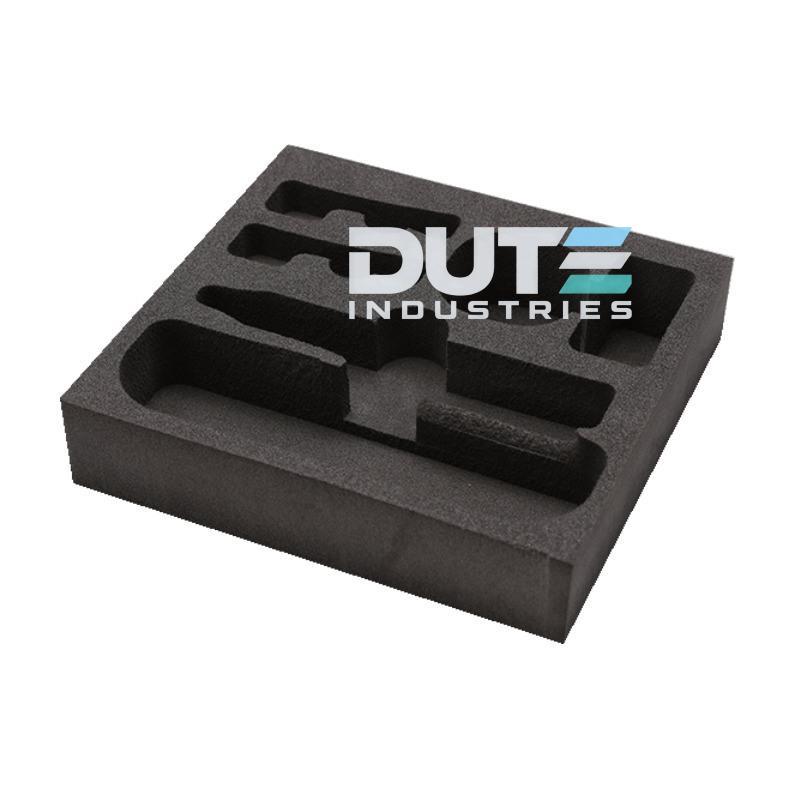
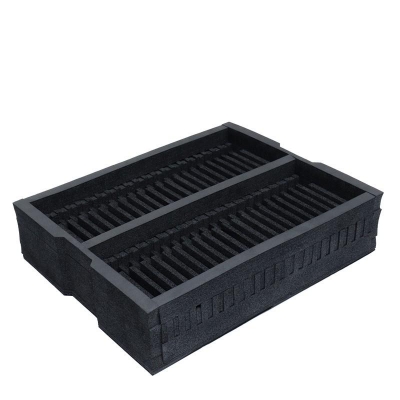
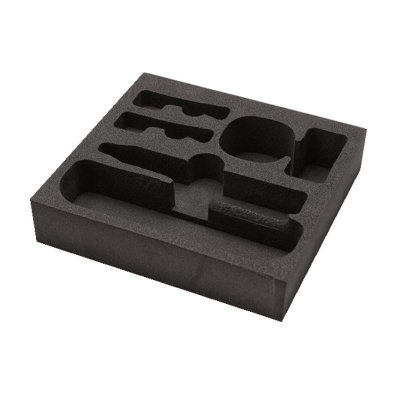
Foam inserts
Custom cavities
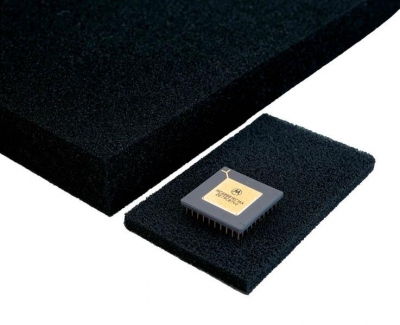
Foam pads
Laminated structures
Customized protective packaging
ESD foam can be incorporated into properly designed electrostatic discharge control systems, including protective packaging, component storage and handling applications.
Material selection should consider electrical performance, grounding requirements, component sensitivity and relevant industry standards.
ESD foam is widely used in electronic component manufacturing, assembly and handling environments.
Typical applications:
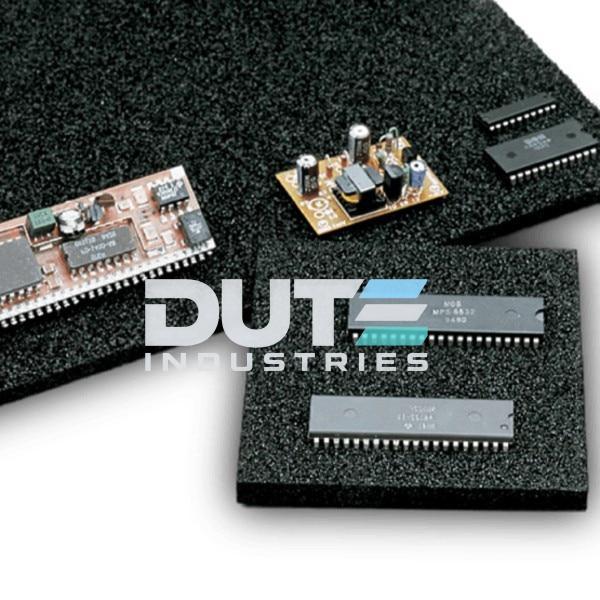
Printed circuit boards (PCBs)
Integrated circuits (ICs)
Electronic modules
Sensors
Connectors
Electronic assemblies
Sensitive electrical components
ESD foam helps protect components from physical impact while supporting electrostatic discharge control during handling and storage.
Semiconductor components are particularly sensitive to electrostatic discharge.
Appropriately selected ESD foam can be used as part of protective packaging systems for semiconductor products and microelectronic components.
Typical applications:
Semiconductor component packaging
IC storage and transportation
Microelectronic modules
Electronic component trays
Protective foam inserts
Precision component packaging
Modern vehicles incorporate increasingly sophisticated electronic systems, creating a growing demand for reliable protective packaging materials.
ESD foam can be used for handling and transportation of automotive electronic components.
Typical applications:
Electronic control units (ECUs)
Automotive sensors
Electronic modules
Circuit boards
Vehicle communication components
Automotive electronic assemblies
Sensitive instruments require protection against mechanical impact, vibration and, where applicable, electrostatic discharge.
ESD foam can be converted into customized protective inserts and cushioning structures for:
Measuring instruments
Testing equipment
Precision electronic devices
Industrial control modules
Laboratory electronic equipment
Sensitive industrial components
ESD foam can be used in storage and handling systems for sensitive electronic components.
Typical applications:
ESD-safe storage boxes
Component organizers
Protective trays
Electronic component separators
Assembly-line handling
Reusable protective packaging
ESD foam combines physical cushioning with electrostatic protection in a single packaging material.
It can be used in protective packaging systems for:
Electronic devices
Computer components
Communication equipment
Industrial electronics
Electronic spare parts
Sensitive electronic assemblies
Different applications require different combinations of electrical and mechanical properties.
DUTE can assist customers in selecting suitable ESD foam materials according to their application requirements.
| Material Type | Main Function | Typical Applications |
|---|---|---|
| Anti-Static Foam | Reduces static charge generation and accumulation | Electronic product packaging |
| Static-Dissipative Foam | Provides controlled charge dissipation | Sensitive electronic component handling |
| Conductive Foam | Provides an electrically conductive path | IC packaging, electronic component storage |
| Customized ESD Foam | Combines selected electrical and cushioning properties | Industrial protective packaging |
Actual material availability and performance depend on the selected product grade.
ESD foam is produced by incorporating suitable electrostatic-control technology into polymer foam materials.
Depending on the material system, electrical properties may be achieved through conductive additives, antistatic agents or other specialized formulations.
The foam manufacturing and converting processes are selected according to the required electrical performance, cushioning properties, material structure and final application.
DUTE focuses on matching appropriate ESD foam materials with customer-specific protective packaging requirements.
Different electronic products require different levels of electrostatic and mechanical protection.
DUTE supports customized ESD foam solutions based on the characteristics of the components being protected.
Customization options may include:
Foam material selection
Anti-static, dissipative or conductive grades
Density and thickness
Foam hardness and cushioning properties
Sheet and roll dimensions
Custom cutting and die-cutting
Protective inserts
Customized shapes and cavities
Packaging configurations
By combining material selection with customized converting, DUTE helps customers develop practical protective packaging solutions for sensitive electronic products.
DUTE specializes in polymer-based protective materials, including protective films and industrial foam solutions.
Our understanding of material structures, surface protection and cushioning applications allows us to support customers with application-oriented ESD foam solutions.
Electronic packaging must often address two different risks: electrostatic discharge and physical damage.
DUTE focuses on helping customers select foam materials that balance electrical protection with cushioning and handling requirements.
Standard foam materials may not meet the dimensional and protective requirements of every product.
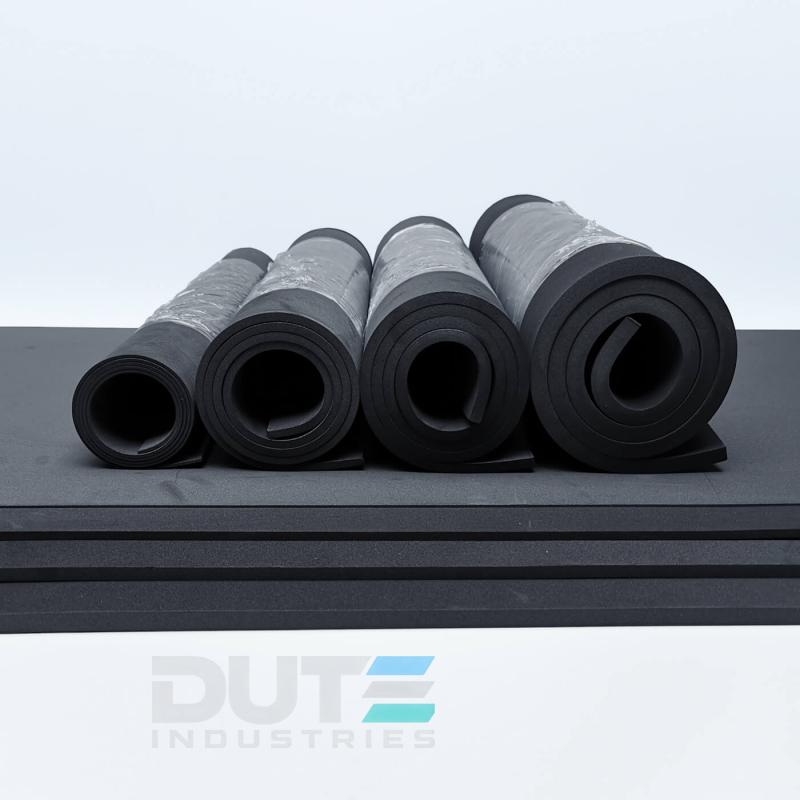
DUTE supports customized foam formats, including sheets, rolls, pads, protective inserts and die-cut components, subject to the selected material and production requirements.
Different electronic components require different electrical properties and cushioning characteristics.
DUTE works with customers to identify suitable material solutions according to component sensitivity, packaging design, handling conditions and target cost.
DUTE serves international industrial customers with polymer material and protective product solutions.
We understand the importance of consistent specifications, clear technical communication and practical customization for industrial purchasing and product development.
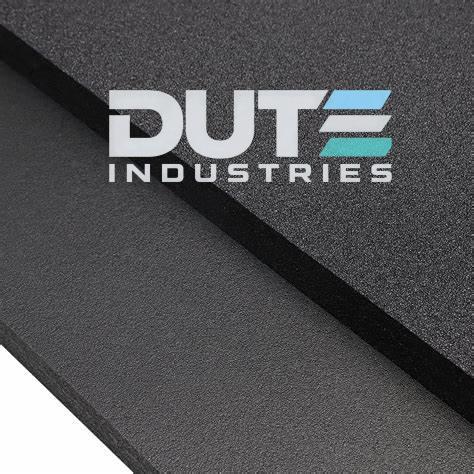
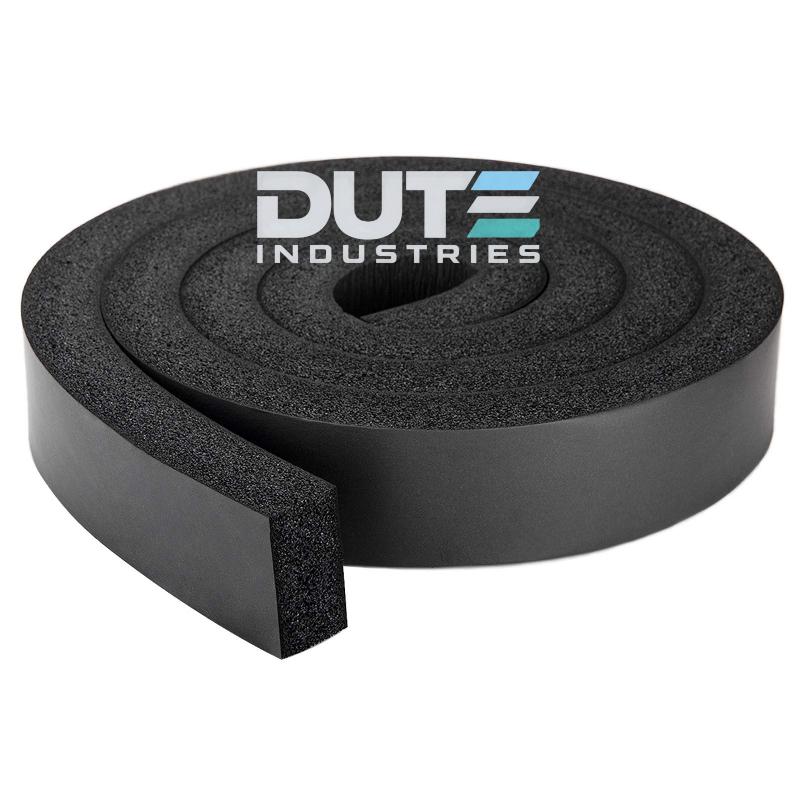
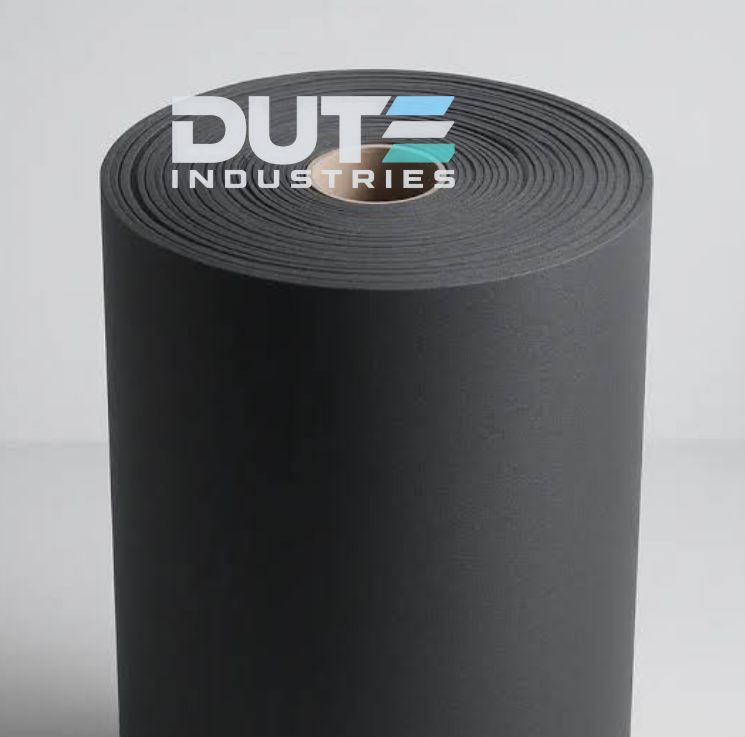
DUTE offers ESD foam material options for different industrial applications.
For detailed specifications, available grades and electrical performance information, please refer to the corresponding product images and Technical Data Sheets (TDS).
Product-specific information may include electrical resistance, foam density, thickness, hardness, dimensions and other relevant physical properties.
Whether you need anti-static foam for electronic packaging, conductive foam for component storage or customized ESD protective inserts, DUTE can help you identify a suitable material solution.
Contact DUTE to discuss your ESD protection requirements, foam specifications and customized packaging needs.
DUTE INDUSTRIES GROUP
Professional Polymer Material & Protective Solutions
Request a Quote | Contact DUTE
Lorem Ipsum is simply dummy text of the printing and typesetting industry. Lorem Ipsum has been the industrys standard dummy text.首页管理
©2026 DUTE INDUSTRIES GROUP All rights reserved